Coffee makers are a part of the lives of millions of people. In the US alone, millions of people drink coffee every day. If you have ever used a coffee maker, this process may not be intuitive. Follow the simple steps below to brew a delicious cup of coffee.

How to make the most delicious coffee
Use freshly ground coffee from properly stored coffee beans
To get more fragrant and fresher coffee, you should buy freshly roasted coffee beans and grind them yourself, instead of buying pre-ground coffee. Coffee flavor comes from the mixture of quintessential aromas inside the coffee bean. When grinding, the inside of the coffee bean will be exposed to air, and over time will react with the air, causing the coffee to gradually lose its aroma.

Remember to store coffee beans in an airtight container. Coffee has the ability to absorb odors - which is why coffee grounds can replace baking soda in the refrigerator. This means that if coffee is not stored in an airtight container, it can absorb the odors of other foods.
Coffee enthusiasts still debate whether coffee beans should be stored at low temperatures or not. Some people recommend keeping coffee beans in the refrigerator if they will be used up within a week and transferring beans that need to be stored for a few weeks to the freezer. Others say you just need to store coffee in a cool, dark place.
Clean the coffee maker
Like any appliance that uses a lot of hot water, coffee makers can accumulate mineral deposits after a period of use. Mineral deposits will cause brewed coffee to have an unpleasant rancid smell, so you should clean the coffee maker periodically to have delicious coffee. Look online for instructions on how to clean your coffee maker.
If your coffee maker has a foul smell or visible residue when not in use, or if you can't remember the last time you cleaned it, it may be time for a cleaning.
Use the correct fineness for the brewing method
Different coffee brewing methods may require finer or coarser ground coffee for optimal flavor. Because coffee powder exchanges flavor with water, changing the fineness (i.e. changing the surface area exposed to water) of the coffee powder can affect the final flavor. In general, the longer the brewing time or contact time between coffee and water, the coarser the coffee should be.
Use the correct temperature
Most brewing methods require water at a temperature of about 90-95 degrees Celsius, or slightly below boiling point. Colder water will not be able to extract all the flavor from the coffee beans, while hotter water can burn the coffee and affect the flavor.
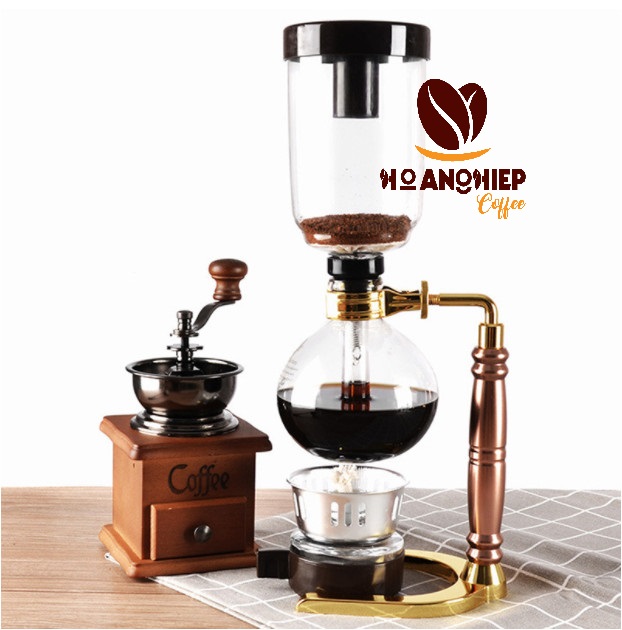
If you cook your own water to make coffee, cook it until the water boils completely, remove the pot from the stove and wait about 1 minute before pouring the water into the coffee powder.
If you keep your coffee grounds in the refrigerator, most brews are not affected by cold coffee beans. However, if you are making espresso, you should wait for the beans to reach room temperature before brewing. Because espresso brewing uses relatively little water and the brewing time is short, cold coffee beans will actually affect the brewing process.
Advice
This method helps reduce the strong taste produced during brewing (especially when the coffee is of low quality). A few pieces of eggshell also help soften the taste of coffee (this is a common method used by the US Navy).
Remember to tie the coffee bag tightly after taking out the coffee to brew. Otherwise, the coffee will go stale due to exposure to oxygen.
Sprinkling finely ground cinnamon powder on coffee before brewing can also reduce the bitterness of strong brewed coffee. However, you should be careful - with drip mixing, adding more than a tablespoon of finely ground spices can cause the machine to clog and overflow.
Look online for more “advanced” coffee making techniques.